Looking at Delaware County downtowns and wondering where mixed-use really works? You are not alone. For buyers, investors, and small business owners, the appeal is easy to see: one property, multiple income paths, and a built-in connection to the energy of a walkable main street. This guide breaks down what mixed-use means locally, where it shows up most clearly, and what to evaluate before you buy. Let’s dive in.
What Mixed-Use Means Here
In Delaware County, downtowns are often described as walkable central places connected to surrounding neighborhoods. County planning guidance says these areas are commonly organized around transit hubs or major intersections, with a mix of shops, services, offices, apartments, and nearby homes.
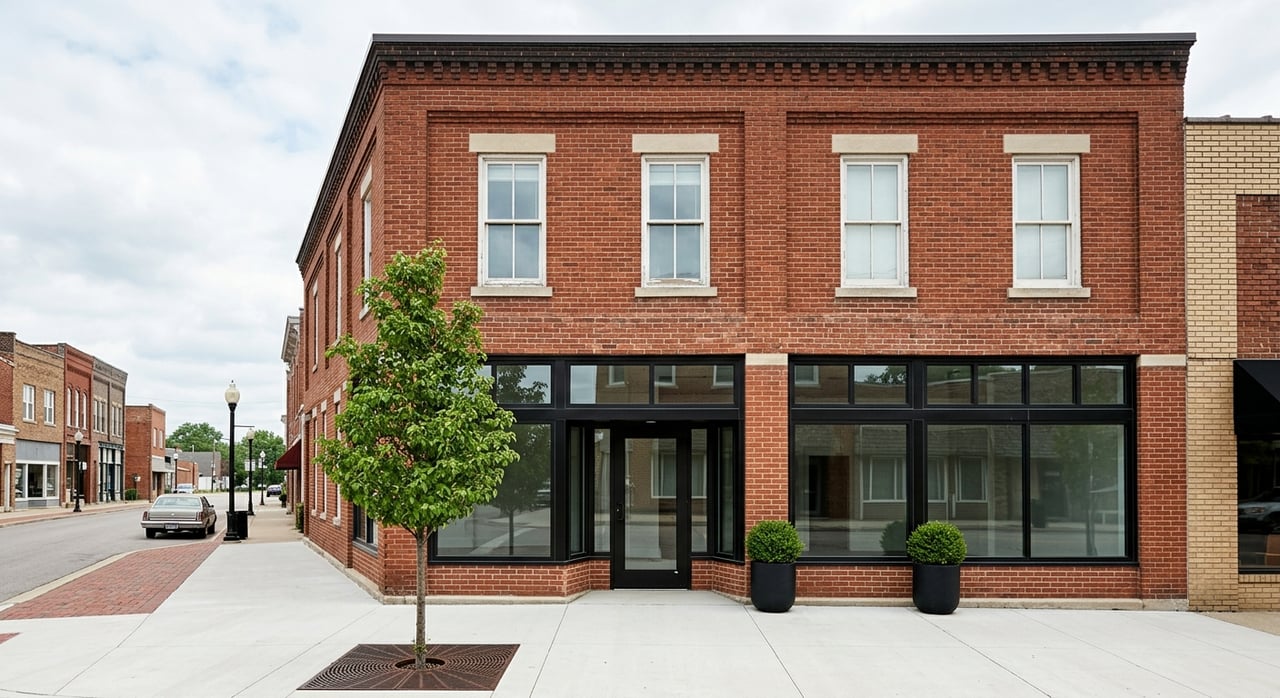
For you, that means a mixed-use opportunity usually looks like a ground-floor commercial space with residential or office space above. It is a familiar main-street format, especially in places where people can walk to restaurants, retail, transit, and community events.
That local context matters because mixed-use here is not just about the building. It is also about the block, the street pattern, public space, and how easy it is for people to spend time downtown.
Why Downtown Form Matters
The best-performing mixed-use locations tend to share a few traits. They are often on primary streets, near transit, and close to public gathering spaces or regular event programming. Those features can help support visibility, customer visits, and demand for upper-floor space.
Delaware County planning guidance emphasizes compact, walkable development in central places and activity corridors. In simple terms, the more connected and convenient the downtown feels, the stronger the case for mixed-use tends to be.
That is why downtown form matters just as much as square footage. A storefront on an active street with steady foot traffic can perform very differently from a similar unit on a quieter block.
Media Shows The Delaware County Model
Media is one of the clearest examples of this pattern in Delaware County. Its downtown core centers on State Street, with restaurants, shops, residences, and offices all part of the mix. SEPTA access adds another layer of convenience, with Media station about a 0.2-mile walk from the west side of downtown, Route 101 trolley service, and bus routes 110 and 118 serving the borough.
Media also has strong walkability signals. Borough planning materials say 66.67% of respondents in the 2015 comprehensive-plan survey named walkability as a reason for living there. The borough also says it is working to expand sidewalks where gaps exist, which supports the long-term usability of downtown streets.
Event programming plays a major role too. Dining Under the Stars brings more than two dozen restaurants onto State Street during weekly summer events from May through September, helping reinforce downtown as a regional destination.
Why Media Stands Out
Media is not just relying on existing charm. The borough says it is updating zoning to preserve historic character while promoting walkable, mixed-use neighborhoods. Its 2023 hybrid form-based code applies to residential zones R-1 through R-4, showing that land use planning is actively part of the conversation.
Public space improvements also matter. The borough’s 2024 financial report says Plum Street Mall is being transformed into a passive-use, pedestrian-friendly park. For mixed-use buyers, that kind of project can strengthen downtown foot traffic and make nearby properties more appealing over time.
What To Watch In Media
If you are studying a property in Media, look beyond the storefront itself. Parking maps, time limits, transit access, and sidewalk continuity all affect how people use downtown. Even in a highly walkable borough, convenience still matters for customers, tenants, and visitors.
You should also pay attention to zoning and review requirements. Media’s zoning pages note that zoning changes require a Code Enforcement application and Zoning Hearing Board review, and historic-district work may also be subject to review for appropriateness.
West Chester Offers A Useful Comparison
West Chester is not in Delaware County, but it is still a helpful regional comparison because its downtown follows a similar main-street mixed-use pattern. Its core is centered on Gay Street and Market Street and is anchored in part by West Chester University.
The downtown also benefits from an organized business environment. The borough’s Business Improvement District was created to increase customer traffic, retain and recruit businesses, and advocate for downtown stakeholders. Recurring events such as Swingin’ Summer Thursdays, Gallery Walk, and food-focused programming help keep the district active.
West Chester also shows how redevelopment pressure can shape opportunity. Borough budget documents say the community is fully built out, so growth comes through redevelopment rather than greenfield expansion.
What West Chester Reveals About Demand
West Chester’s zoning ordinance says the MU Mixed Use District is intended to promote residential, office, and light industrial uses. Borough budget materials also say that some downtown locations permit multifamily housing and mixed-use projects of up to seven stories.
For buyers and investors, that points to a more mature redevelopment environment. It suggests that future opportunity may depend less on finding vacant land and more on repositioning existing buildings or improving underused sites.
Vacancy data adds another layer. Borough meeting minutes recorded a downtown commercial vacancy rate of 3.90% as of December 31, 2024, while the BID’s 2026-2030 preliminary plan reported 3.14%, down from 9.5% at the end of 2020. The figures come from different dates and likely different inventories, so they are best treated as directional rather than identical.
What West Chester Teaches Small Investors
One of the clearest lessons from West Chester is that each part of a mixed-use building can behave differently. Borough budget materials note that office space is a concern as some businesses continue to choose work-from-home arrangements, even while the borough attracts new apartments and destination-oriented projects.
That means you should not assume a busy downtown guarantees equal demand for every use. A first-floor retail space, second-floor office, and upper-floor apartment may each have different leasing timelines, tenant expectations, and risk profiles.
How To Evaluate Mixed-Use Before Buying
A smart mixed-use purchase starts with separate analysis for each income stream. Retail, office, and residential space each respond to different market conditions. If you blend them together too quickly, you can miss where the real opportunity or risk sits.
You also need to evaluate the property in the context of its downtown. In places like Media and West Chester, location value is tied to more than traffic counts. Transit options, pedestrian comfort, event activity, and public-space investment all shape how a building performs.
Use A Practical Foot-Traffic Checklist
Before you buy, walk the block and review the basics:
- How close is the nearest transit stop?
- Are sidewalks continuous and easy to use?
- Is parking short-term, structured, or limited by time restrictions?
- Does the block host outdoor dining, festivals, or recurring events?
- Is the upper-floor space more likely to attract renters or office users?
- Does the property have visible frontage on an active street?
County walkability guidance emphasizes sidewalk connectivity, pedestrian access, and the ability of central places and corridors to become more walkable over time. Those details can make a real difference in long-term value.
Review Zoning Early
A vacant storefront is not just a leasing question. It can also be a zoning, code, and permit question. That is especially important if you are considering a change of use, exterior improvements, or work in a historic area.
West Chester’s planning and zoning pages say applicants should verify zoning approval first, and that work in the historic downtown may also require Historic Architecture Review Board approval. Media has similar review pathways for zoning changes and historic-district work.
Think In Terms Of Place, Not Just Property
Mixed-use works best when the surrounding downtown already gives people reasons to be there. In Media, that story is tied to transit, State Street activity, sidewalk improvements, and event programming. In West Chester, it is tied to a historic downtown, university presence, BID support, and redevelopment pressure.
If you are comparing properties, that difference matters. Two buildings with similar layouts can perform very differently depending on the surrounding mix of commerce, mobility, and public life.
The Big Opportunity In Delaware County Downtowns
The bigger story in Delaware County is not just that mixed-use exists. It is that the county’s planning framework supports walkable downtowns where residential, office, and retail uses can reinforce one another. That creates opportunity for people who understand how place-making and property value connect.
For lifestyle-minded buyers, that can mean living near restaurants, transit, and events. For small investors, it can mean targeting buildings that match the rhythm of the block instead of chasing a one-size-fits-all formula. For local businesses, it can mean plugging into downtowns where public space and programming already help drive attention.
In this market, the strongest mixed-use opportunities are usually the ones that feel stitched into daily life. That is what makes downtown buildings in places like Media so compelling, and why regional comparisons like West Chester are still useful when you are trying to sharpen your strategy.
If you want help thinking through walkable downtown opportunities, neighborhood fit, and the real story behind place-based demand, the Carney Team can help you explore what makes this market move.
FAQs
What does mixed-use mean in Delaware County downtowns?
- In this market, mixed-use usually means a building with a commercial or service use on the ground floor and residential or office space above, often located in a walkable downtown setting.
Why is Media important for Delaware County mixed-use buyers?
- Media is a strong local example because its downtown combines transit access, State Street activity, restaurants, shops, residences, offices, and regular event programming.
How does transit affect mixed-use opportunities in Media?
- Transit matters because Media station is about a 0.2-mile walk from the west side of downtown, and the borough is also served by the Route 101 trolley and bus routes 110 and 118.
Why compare Delaware County mixed-use with West Chester?
- West Chester offers a useful regional comparison because its downtown follows a similar main-street mixed-use pattern, even though it is located in Chester County rather than Delaware County.
What should small investors review before buying a mixed-use property?
- You should review each income stream separately, confirm zoning and permit requirements early, and assess transit access, sidewalks, parking, event activity, and street visibility.
Do walkability and events really matter for downtown mixed-use value?
- Yes. County and borough planning materials show that sidewalk connectivity, public space, and recurring events help support the foot traffic and everyday activity that often make mixed-use properties more viable.