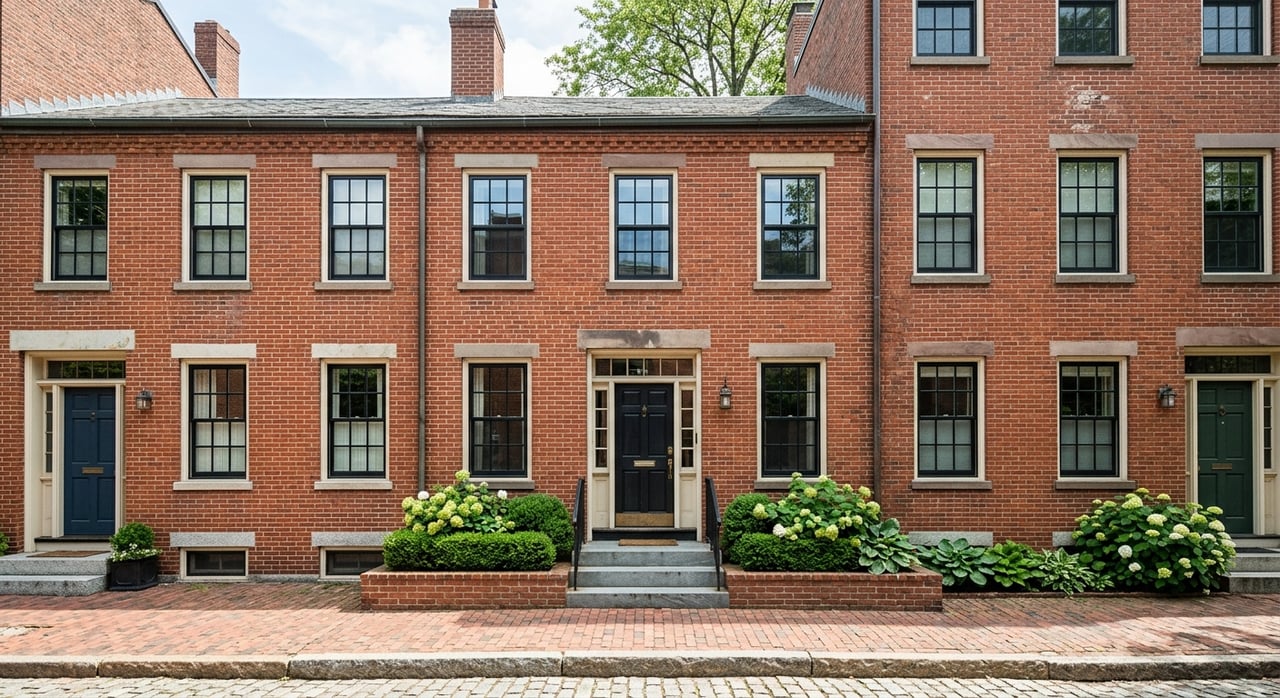
Thinking about West Chester because you want walkability, local energy, and a place that feels active beyond the workweek? That instinct makes sense. West Chester offers a compact borough setting with a historic downtown, strong dining and arts activity, and practical regional access, but the day-to-day feel can change quickly depending on whether you live in the borough core or just outside it. This guide will help you get oriented to how West Chester works, what to expect from housing, and which logistics matter most before you make a move. Let’s dive in.
West Chester in Context
West Chester Borough sits in Chester County, about 25 miles west of Philadelphia and 17 miles north of Wilmington, according to the borough overview. It covers just 1.8 square miles and has served as the county seat since 1786, which helps explain why the town feels both historic and active.
The borough’s 2024 Census estimate put the population at 22,758, and it is bordered by West Goshen and East Bradford townships. For you as a mover, that matters because West Chester is not an endless sprawl. It is a compact place where the downtown core has a distinct identity and the housing pattern shifts as you move outward.
Know the Borough Layout
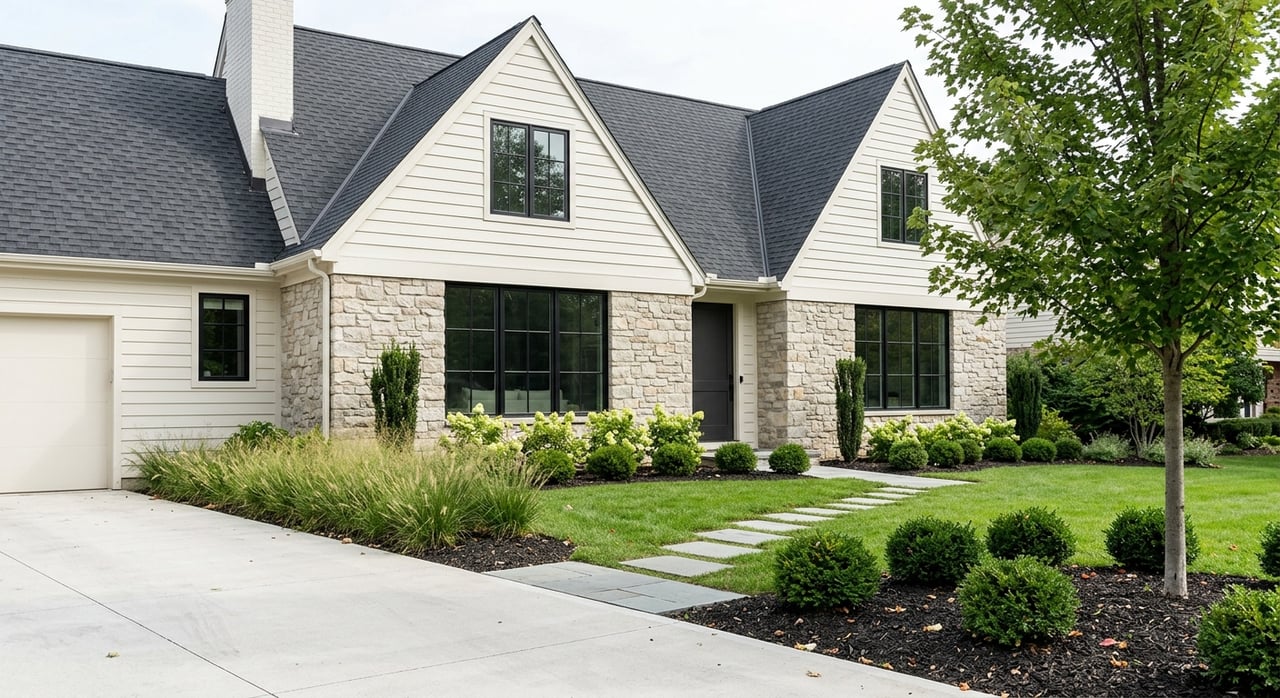
If you are relocating from outside the area, one of the biggest orientation points is understanding the difference between West Chester Borough and the nearby townships that surround it. The borough is the walkable, denser core. Nearby areas like West Goshen, East Goshen, East Bradford, and Westtown tend to reflect a more owner-occupied suburban pattern.
That contrast shows up in the data. Census QuickFacts report a 35.4% owner-occupied housing unit rate in the borough, while nearby townships have notably higher owner-occupied rates, including 72.2% in West Goshen, 71.6% in East Goshen, 88.2% in East Bradford, and 83.1% in Westtown. If your priority is being close to downtown activity, the borough may feel like the right fit. If you want more of a suburban ownership pattern near West Chester, the surrounding townships are part of the picture.
Housing Feels Different by Location
West Chester is not a one-note housing market. The borough budget states that West Chester is fully built out, so future growth is expected to come mainly through redevelopment rather than large-scale expansion. In practical terms, that means you are more likely to see infill, mixed-use projects, and adaptive reuse than big new subdivisions inside the borough.
The current pipeline also points toward higher-density housing. The 2025 borough budget says four of the six largest land-development proposals over the last five years are apartment projects totaling 869 proposed units. If you are hoping for a more urban, apartment-friendly environment, that trend supports it.
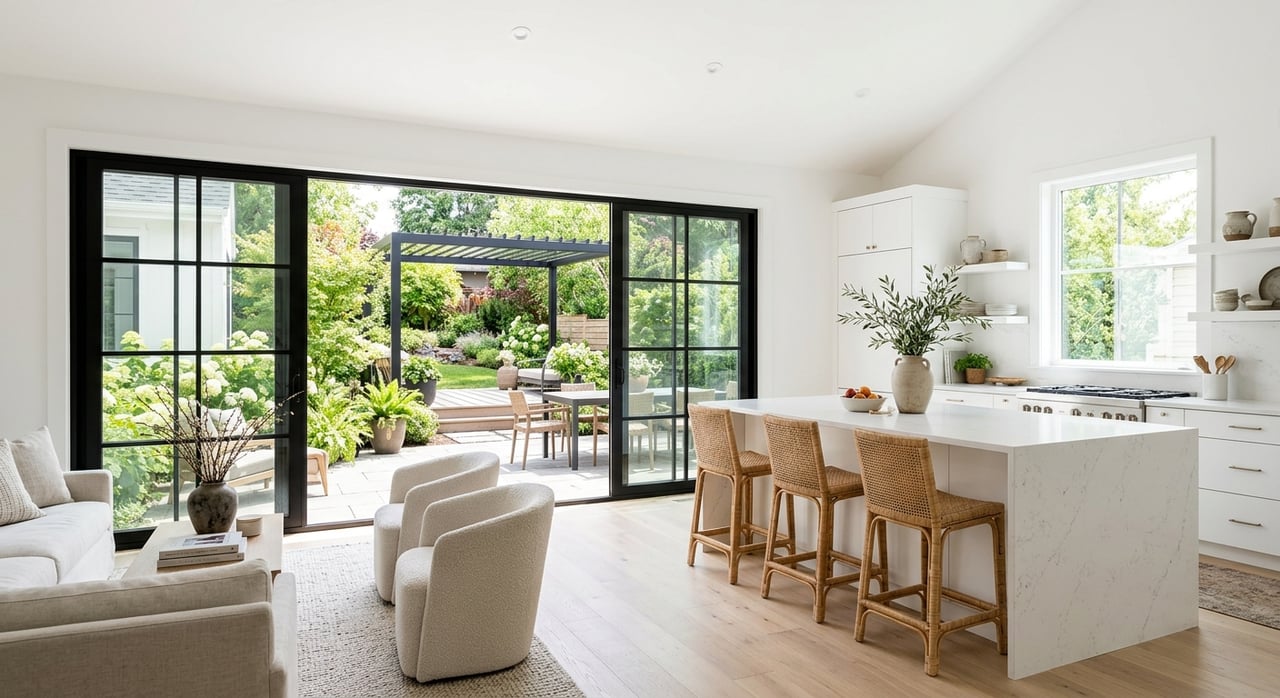
At the same time, ownership still has a meaningful place in the market. Census QuickFacts show a median owner-occupied value of $490,700 in the borough and a median gross rent of $1,731. West Chester University also has a major influence on local demographics, housing, and income, which is useful context if you are comparing the borough to a more purely residential suburb.
Historic Downtown Has Extra Rules
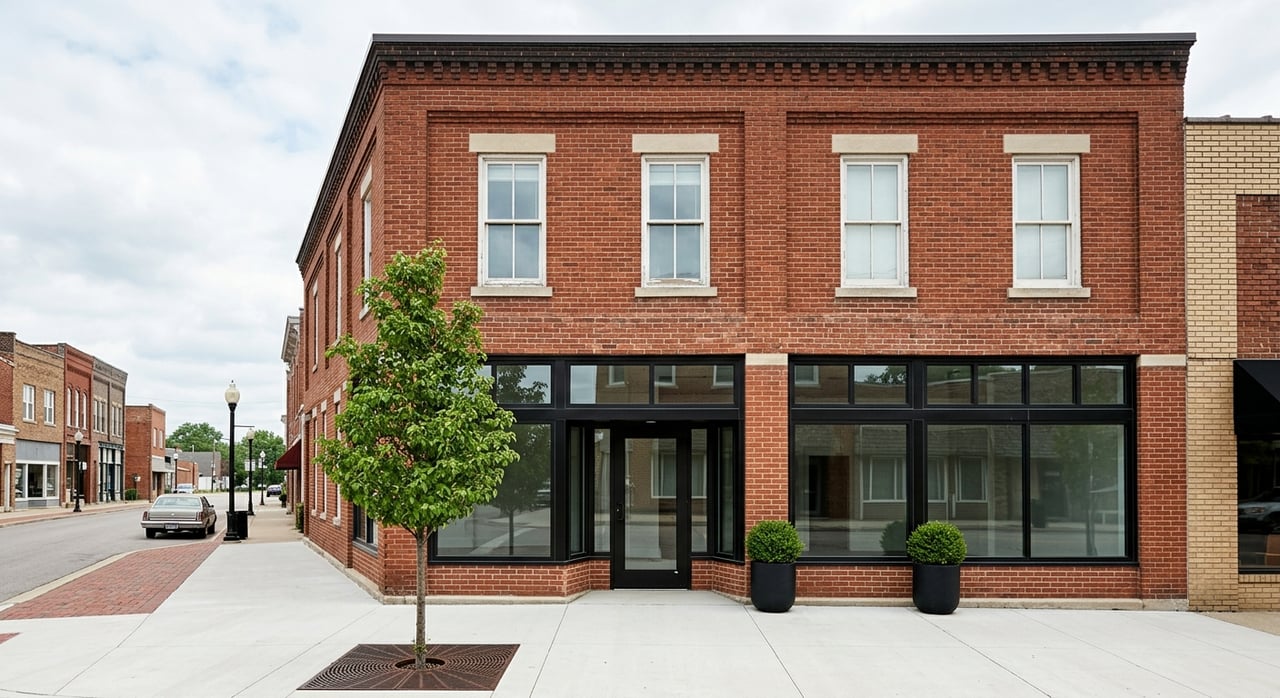
West Chester’s downtown charm is a big part of the draw, but it comes with an important detail: the historic district has added review requirements. The borough notes that the historic downtown district is listed on the National Register of Historic Places, and most work in that area requires HARB approval before a building permit is issued.
If you love older architecture, that may feel like part of the appeal. If you are planning exterior updates or renovations, you will want to understand the process early. The borough’s Planning and Zoning guidance is a smart starting point before you buy a property in the historic downtown area.
Getting Around West Chester
For a compact borough, West Chester is well connected. West Chester University identifies Route 3, Route 202, Route 100, and Route 52 as major roadway connections into town, which helps if your work or routine takes you to other parts of the region.
Transit is part of the local picture too. SEPTA’s West Chester destination page says Bus Routes 92 and 104 serve the West Chester Transportation Center. SEPTA also shows that Route 104 offers weekday service between West Chester University and 69th Street Transit Center every 30 minutes or less from 6:00 a.m. to 9:00 p.m.
That does not mean every part of greater West Chester feels car-free. But it does mean the borough core is the most transit-oriented and walkable part of the area. If you want to reduce car dependence, living close to downtown likely gives you the best shot at that lifestyle.
Parking and Daily Logistics Matter
This is where a lot of first-time movers get surprised. Living near downtown can be convenient, but it comes with parking rules you should factor into your decision.
The borough manages downtown parking through two garages, several flat lots, meters, and a 3-hour on-street limit, according to Parking Services. Street sweeping is also part of regular life: north of Market Street on Mondays and Tuesdays, south of Market Street on Wednesdays and Thursdays, and the central business district nightly.
If you are considering a borough move, ask practical questions early:
- Does the home include off-street parking?
- How close is the nearest garage or lot?
- Will your routine work with street sweeping schedules?
- If you expect to walk most places, how often will you still need your car?
These are not deal-breakers. They are simply part of understanding how daily life works in a more active downtown setting.
Downtown Is More Than a Commute Base
One of West Chester’s strongest selling points is that downtown functions as a real social hub, not just a place people pass through. The West Chester Business Improvement District was established in 2000 to support long-term economic growth for downtown, which helps explain the steady focus on activity and destination appeal.
The borough’s annual Restaurant and Food Truck Festival includes more than 65 restaurants, caterers, and food vendors, nearly 110 arts and crafts vendors, and multiple live music stages. That gives you a good sense of the scale and energy downtown can offer.
The cultural layer is important too. The Public Arts Commission promotes public arts and culture in the borough, and its current mural project is intended to reflect West Chester’s history, diversity, and evolving identity. You also have Uptown Knauer Performing Arts Center in historic downtown, with programming that includes theatre, live music, comedy, and film.
Who West Chester Fits Best
West Chester can appeal to a few different kinds of movers, especially if you are lifestyle-focused.
You may be a strong fit for the borough if you want:
- A compact downtown with regular dining and entertainment options
- The ability to walk to more of your routine
- Transit access as part of your transportation mix
- Historic character and an active civic center feel
- A housing mix that includes apartments, condos, and in-town homes
You may want to compare nearby townships if you prefer:
- A more owner-occupied suburban setting
- More separation from downtown activity
- A housing search centered more on lower-density neighborhoods
- Less day-to-day interaction with parking controls and downtown logistics
Neither choice is better across the board. It depends on the kind of daily life you want.
A Smart Way to Start Your Search
If you are serious about moving to West Chester, start by narrowing your search around lifestyle, not just price or square footage. A home in the borough can deliver a very different experience from a home a short drive away in a nearby township.
As you compare options, focus on these questions:
- How often do you want to walk to dining, events, or errands?
- Do you want transit access, or are you planning to drive most days?
- Are you comfortable with downtown parking rules and street sweeping?
- Would you consider a historic property with added renovation review requirements?
- Do you want the energy of a denser core, or a more owner-occupied suburban pattern nearby?
Those answers will usually tell you more than a generic map search ever could.
West Chester Orientation Takeaway
West Chester stands out because it offers a real downtown, not just a name on a map. You get a historic borough core, regional road access, transit options, and a dining and arts scene that helps the area feel self-contained. At the same time, the move-in experience depends heavily on whether you choose the borough itself or the surrounding townships.
If you want help sorting through that choice and matching it to your lifestyle, the Carney Team can help you explore West Chester with a practical, neighborhood-first lens.
FAQs
What is West Chester Borough like for first-time movers?
- West Chester Borough is a compact, historic county-seat community with a walkable downtown, regional road access, transit service, and an active dining and arts scene.
Is West Chester easier to live in without a car?
- The borough core is the most transit-oriented part of West Chester, especially near the transportation center and downtown, but you still need to account for parking rules and street sweeping.
What should buyers know about historic homes in West Chester?
- Many properties in the historic downtown area require HARB approval for work affecting the building before a permit is issued, so renovation planning is important.
How does West Chester Borough compare with nearby townships?
- The borough has a more rental- and apartment-oriented core, while nearby townships such as West Goshen, East Goshen, East Bradford, and Westtown show higher owner-occupied housing rates.
Does West Chester have enough to do day to day?
- Yes. The downtown area is supported by the Business Improvement District, major annual events like the Restaurant and Food Truck Festival, public arts programming, and performances at Uptown Knauer Performing Arts Center.