Does your workday rise or fall on the commute? If you are eyeing Ardmore for its Main Line charm and city access, you likely want a clear picture of trains, traffic, parking, and everyday logistics. In this guide, you will learn how to get to Center City and University City with less stress, how parking works near the station, and how to plan smart first and last mile connections. Let’s dive in.
Where Ardmore puts you
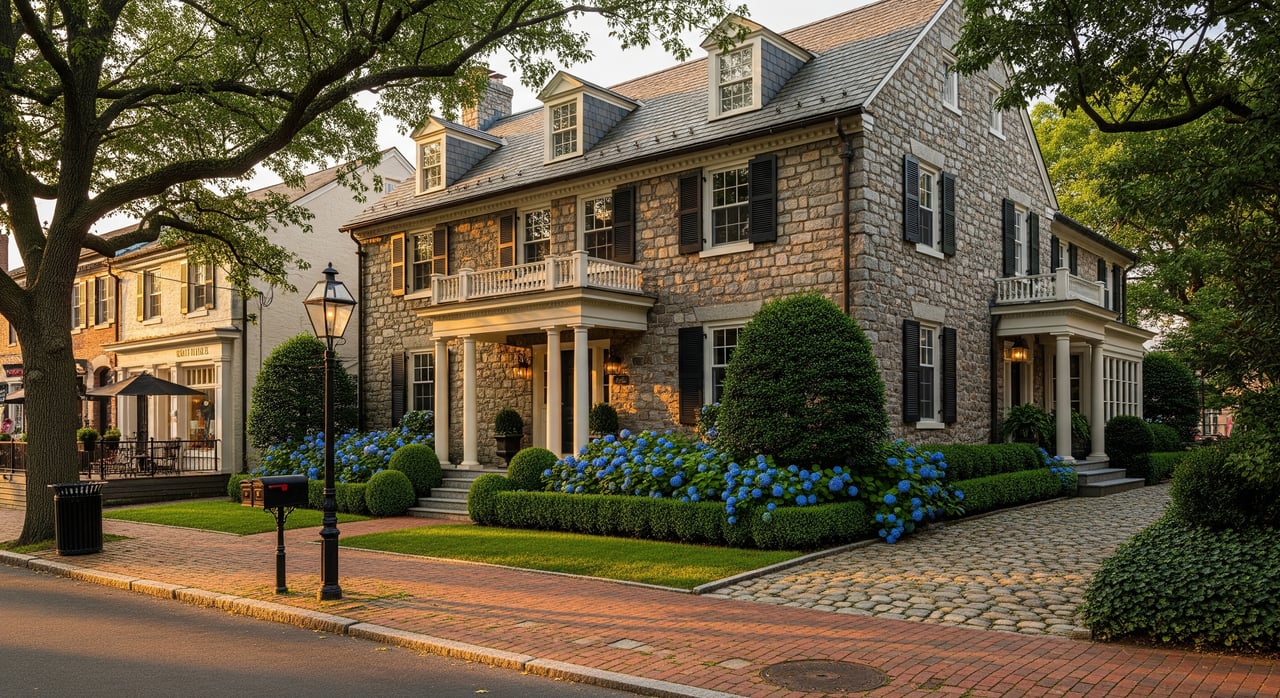
Ardmore sits in Lower Merion Township on the historic Main Line, about 10 to 15 miles from central Philadelphia depending on your route. The commercial heart around Ardmore Avenue and Suburban Square is compact and walkable, with daily needs close by. Many residents walk or bike to errands, then ride Regional Rail into the city for work. If you want lifestyle plus access, Ardmore gives you both.
Your fastest route to Center City
For most commuters, SEPTA Regional Rail on the Paoli/Thorndale Line is the go-to option. Trains provide a single-seat ride to Suburban Station, Jefferson Station, and 30th Street Station. Typical weekday trips land in the approximate 20 to 40 minute range depending on the train you catch and your Center City stop. Always check the current pattern since express and local service can change.
- Use the SEPTA Regional Rail schedules to compare peak vs off-peak options.
- Plan your exact trip with the SEPTA trip planner.
- Keep an eye on updates using SEPTA service alerts.
Peak vs off-peak timing
Weekday mornings and evenings see more frequent trains, so you may have several choices within a short window. Midday, late-night, and weekends run less often, which makes planning ahead important. If you leave a few minutes earlier or later, you might catch a faster train with fewer stops.
Getting to University City
Commuting to UPenn, CHOP, Drexel, or nearby employers is straightforward. Ride Regional Rail from Ardmore to 30th Street Station, then walk or connect to local transit. Your walk within University City often adds just a few minutes, although exact time varies by building address. If you prefer a transfer, you can use local trolleys or buses from 30th Street.
Bus connections and backups
Local buses through Ardmore help with first and last mile connections and reach transfer hubs like the 69th Street Transportation Center. While some riders use buses for full commutes, most Ardmore-to-Center City travelers choose the train for speed and comfort. As a backup for rail delays, it helps to save the bus pages you use and track alerts in real time through SEPTA service alerts.
Driving: what to expect
Driving is common for suburbs-to-suburbs trips and some city commutes, though travel times vary with traffic on I-76. Non-peak drives can feel easy, while rush-hour congestion can add a lot of time. Before you commit to a pattern, run test drives at your typical hours and use live routing tools like Google Maps to see ranges.
If you plan to drive to the station, budget an extra buffer for parking and walking to the platform. For downtown driving, compare fuel, tolls, and garage costs against a monthly rail pass to see what truly saves you time and money.
Parking and permits
Station parking near Ardmore typically includes a mix of daily and permit options, and availability can vary with demand. Review current details and pricing on SEPTA Park & Ride, and sign up early if permits are offered. For street parking and time limits around downtown Ardmore and Suburban Square, check Lower Merion Township parking information. Enforcement, meters, and time windows can differ by block, so knowing the rules helps you avoid tickets.
Practical tip: If you intend to park at the station on weekdays, monitor lot occupancy and any permit waitlists well before moving day. Evening and weekend patterns are different because shoppers and diners share many of the same lots.
Walkability and first/last mile
Ardmore’s core is one of the more walkable nodes on the Main Line, which makes daily errands simple without a car. For the commute, common first and last mile choices include walking, biking, local buses, ride-hailing, and short-term parking. Many stations have open bike racks; if you ride to the train, confirm where racks are located and bring a quality lock.
- Explore local planning resources for sidewalks, crossings, and bikeways through Lower Merion’s bicycle and pedestrian plans.
- Review county-level bike connections on Montgomery County’s bike network information.
- Check your home-to-station walk or ride time with mapping tools, and scan the area using Walk Score tools to understand daily convenience.
Bike basics for commuters
Bike-to-rail trips are popular in Ardmore for short first and last mile hops. Painted lanes and shared routes may exist on key streets, but protected bike lanes are limited, so plan a low-stress route. Long-term covered bike storage is less common than car parking, so consider bringing your bike with you only if your rail trip and destination allow it under current SEPTA rules.
What commute should you plan for?
Because your destination and timing matter, think in ranges rather than one fixed number. Regional Rail typically runs around 20 to 40 minutes into Center City, then you add a short walk to your office. Trains to 30th Street Station work well for University City jobs, where the final walk or quick transfer finishes the trip. Reverse commutes and weekend trips operate on different timetables, so check schedules first.
On days you drive, non-peak windows can feel quick while peak hours on I-76 can slow things down. Always verify current conditions with live apps before you leave.
Costs and monthly planning
If you ride often, look into zone-based fares and monthly passes on SEPTA’s site, then compare that to your true driving cost. Keep a small buffer in your schedule for transfers or delays, and save the tools you will use every day. Bookmark the SEPTA trip planner and service alerts, and set reminders to renew parking permits or passes on time.
Safety and late-night returns
Late evenings bring reduced train frequency, so plan ahead. If you will be out late, set up ride-hailing as a backup or check the last trains in advance using the SEPTA Regional Rail schedules. For peace of mind, share your trip status with a partner or friend and wait in well-lit areas on the platform.
Family routines and hybrid schedules
If you have school or childcare drop-offs, build that into your station timing so you do not miss an express. Many hybrid workers stack office days for rail efficiency and keep errands local on remote days. Ardmore’s walkable core helps you handle groceries, coffee, and quick appointments without getting in the car.
A quick pre-move checklist
- Test your commute at the exact times you plan to travel.
- Compare two or three Regional Rail trains to see time trade-offs.
- Review SEPTA Park & Ride for station parking options.
- Confirm township rules for meters, permits, and time limits via Lower Merion Township parking information.
- Map your walk and bike routes, and scan conditions using Walk Score tools.
- Save SEPTA service alerts and SEPTA trip planner on your phone.
- Explore county bikeways at Montgomery County’s bike network information.
- Look up commute stats and mode share on ACS profiles for Lower Merion.
Ready to make Ardmore your home base for an easier commute and a walkable lifestyle? Connect with the Carney Team to explore homes that fit your routine and your goals.
FAQs
How long is the train from Ardmore to Center City?
- Most trips fall in the approximate 20 to 40 minute range depending on the train and Central City stop. Always verify exact times on the SEPTA Regional Rail schedules or the SEPTA trip planner.
Can I commute reliably to University City from Ardmore?
- Yes. Take Regional Rail to 30th Street Station, then walk or transfer to local transit; your final walk or transfer time varies by destination. Check specifics in the SEPTA trip planner.
Is station parking available, and do I need a permit?
- Ardmore-area station lots typically offer daily spaces and permits, with availability that changes by demand. Review options and sign up early through SEPTA Park & Ride and confirm nearby street rules on Lower Merion Township parking information.
Is Ardmore bike-friendly for commuting?
- Ardmore supports walk and bike connections to the station, though protected bike lanes are limited and secure long-term bike storage is less common than car parking. Plan routes using township and county resources at Lower Merion’s bicycle and pedestrian plans and Montgomery County’s bike network information.
What are my options if the train is delayed or canceled?
- Use local buses, drive, or ride-hail as a backup, or work remotely if possible. Monitor SEPTA service alerts and keep a contingency plan ready.