Trying to choose between a twin and a single-family home in Havertown? You are not alone. Both styles show up across Haverford Township, and each one can be a great fit depending on your budget, lifestyle, and plans. In this guide, you will learn what makes twins and singles different, how those differences play out on Havertown blocks, and how to weigh costs, maintenance, renovation options, and resale. Let’s dive in.
What is a twin home?
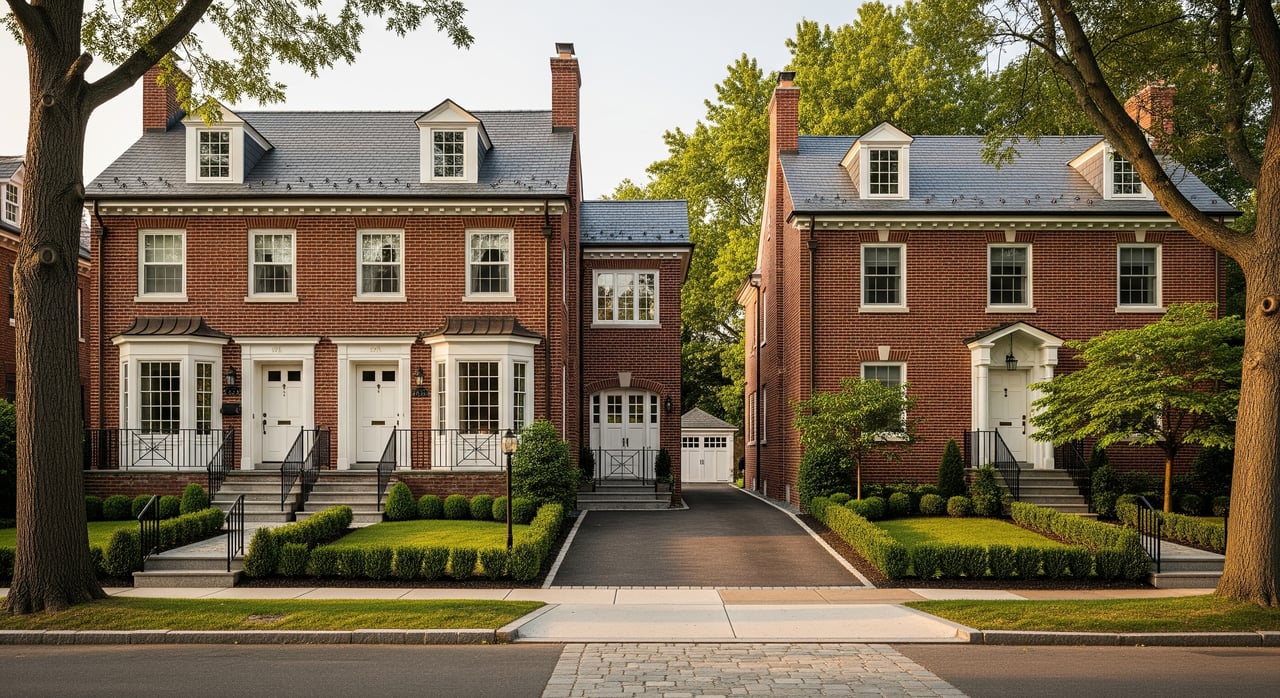
A twin, also called a semi-detached home, is one of two separate homes that share a single vertical party wall. Each side typically has its own front door, parcel, utilities, and title. Floor plans are often mirrored, and many twins share a roofline with slight differences in exterior details.
In Havertown’s older neighborhoods, twins commonly date to the early and mid-1900s. You will see narrow, deep layouts with living and dining rooms front to back and the kitchen toward the rear. Many have basements, finished or unfinished. Windows are usually at the front and back, plus one side not attached to the neighboring home.
What is a single-family detached home?
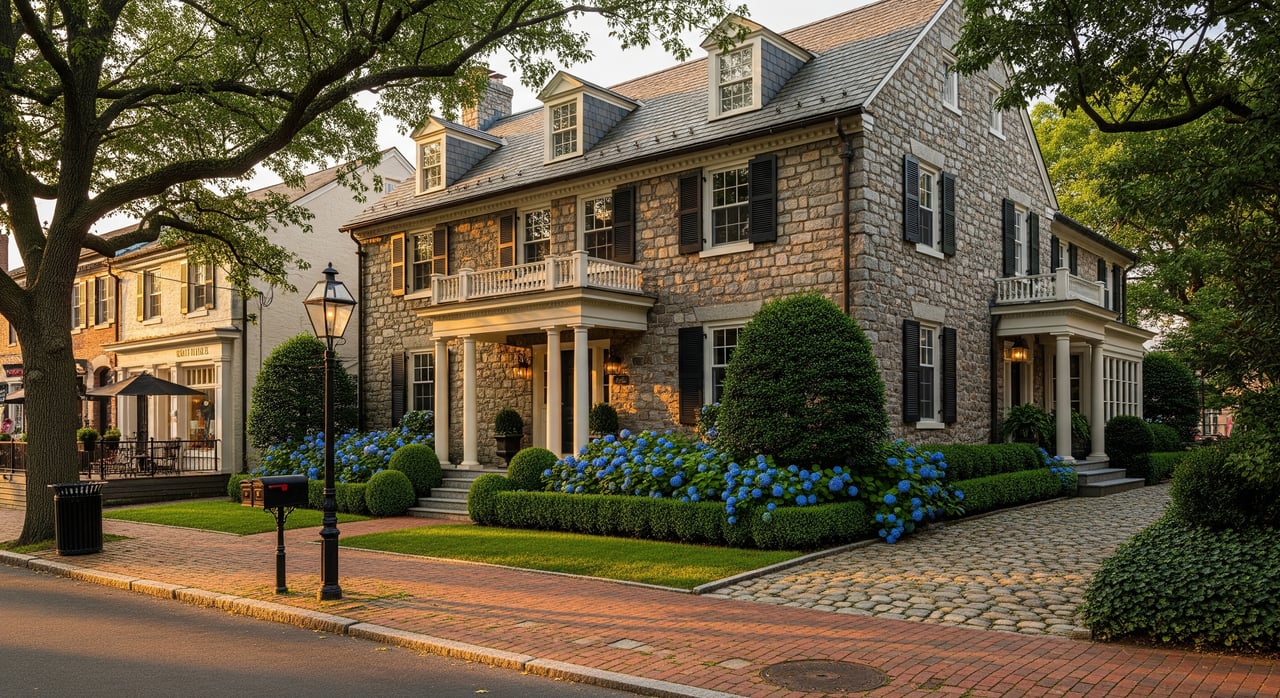
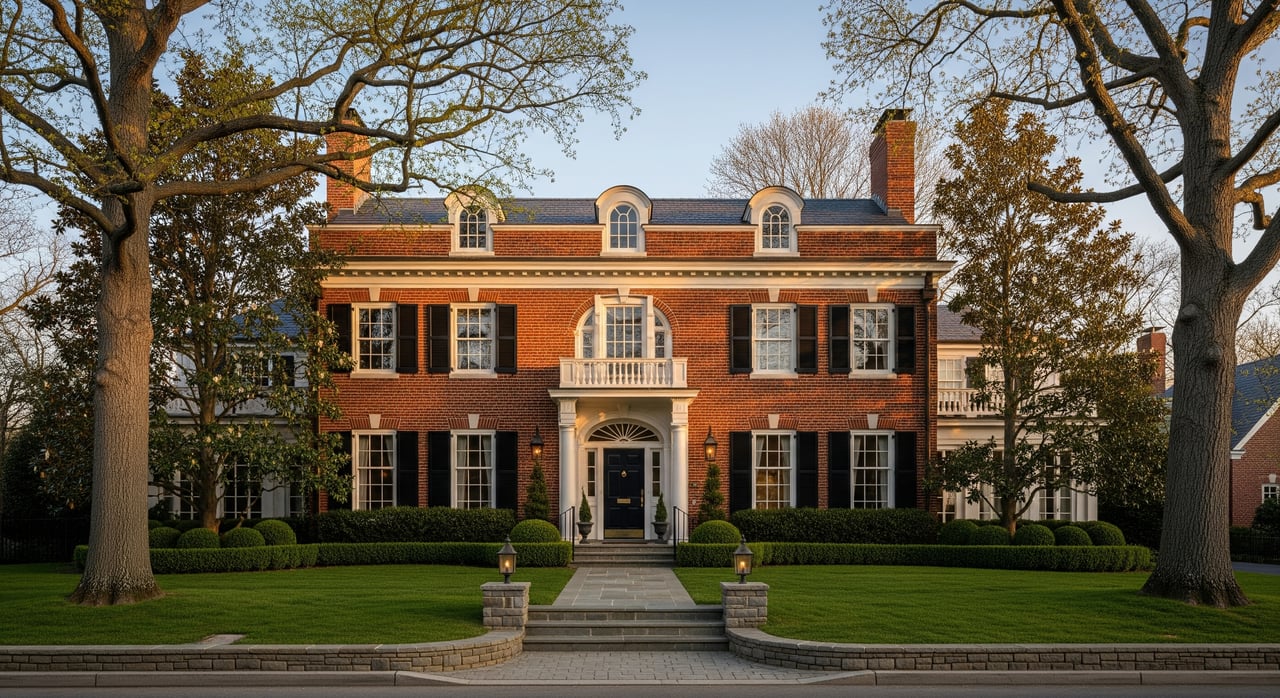
A single-family detached home is a stand-alone house on its own lot with space on all sides. You typically get 360-degree exterior access, more options for windows and side entrances, and larger side or rear yards compared to nearby twins.
Detached homes in Havertown range from early 20th-century bungalows and colonials to mid-century ranches and split-levels. Layouts vary more than twins and often allow for wider kitchens, extra bedrooms or bathrooms, and flexible additions.
How Havertown blocks shape your choices
Havertown is the postal name for much of Haverford Township in Delaware County. The township manages zoning, permits, and assessments. You will find a mix of early-20th-century and post-war homes. Closer to commercial corridors and transit, lots tend to be smaller and twins more common. As you move off the main arteries, detached homes and larger yards appear more often.
Proximity to local amenities, SEPTA access, and major roads like West Chester Pike can influence both pricing patterns and which home type you will see most on a given block. Local demand is also shaped by township services and the Haverford Township School District. If you want precise data for a specific street, you can check current Bright MLS listings and county assessment records.
At-a-glance comparison
| Feature | Twin (Semi-Detached) | Single-Family Detached |
|---|---|---|
| Structure | Shares one party wall; separate utilities and title | Stand-alone structure on its own lot |
| Lot & Yard | Narrower lots; smaller yards; one exposed side | Wider lots; larger yards; all sides exposed |
| Layout & Light | Narrow and deep; windows front/back and one side | More layout flexibility; windows on all sides |
| Parking | Often on-street or small driveway; some detached garages | More likely to have driveway and attached or larger garage |
| Maintenance | Less yardwork; fewer exterior walls | More yardwork; full exterior to maintain |
| Renovation | Limits on shared wall side; rear or vertical additions more common | Greater flexibility for lateral additions and outbuildings |
| Privacy & Sound | Potential sound transfer through party wall | More separation and privacy |
Layout and living experience
Twins: efficient footprints
- Often 2 to 3 bedrooms in older models, sometimes with 1 to 2 baths.
- Living and dining rooms align front to back; kitchen at the rear.
- Basements are common. Finishes vary widely based on updates.
- Fewer windows on the shared wall side. Light comes from the front, back, and the exterior side.
Singles: flexible rooms and light
- Greater variety in floor plans and room sizes.
- Easier to add windows and create multiple entrances.
- More options for wider kitchens, extra bedrooms, or an office.
- Potential for wraparound porches and expanded outdoor living.
Parking, garages, and lot space
- Twins often rely on street parking, with some homes offering a small driveway or a detached rear garage. Yard space is usually modest.
- Singles are more likely to offer a driveway with multiple spots and an attached or larger detached garage. Side and rear yards are typically bigger.
Maintenance and ownership basics
Yard and exterior care
- Twins generally provide smaller yards, which can mean less routine yardwork. With one shared wall, you also have one fewer exterior side to maintain.
- Singles require upkeep on all exterior walls, gutters, and siding, along with bigger yards. You get more privacy and outdoor options in return.
Party wall considerations for twins
- Structural work involving the shared wall typically requires coordination with your neighbor and appropriate township permits.
- Sound and fire separation matter. Older construction may need upgrades to meet current standards.
- Most twins are individually titled, not condos, so there is usually no shared HOA or master insurance policy unless specifically recorded.
Renovation and expansion potential
- Twins are often best suited for rear additions, attic conversions, or finishing basements. Expanding along the shared wall side is limited.
- Singles give you more freedom for side additions, detached structures, or adding windows. You may face higher exterior renovation costs because more surface area needs work.
Before planning any project, confirm zoning and setbacks with Haverford Township’s Building and Planning Department and pull the proper permits. If you are buying with a future addition in mind, ask for recent comps that show how similar projects performed on the same type of lot.
Costs, taxes, and insurance
- Pricing patterns: Twins usually sell for less than comparably located detached homes on a per-unit basis. Exact numbers vary by block, condition, and timing. Always verify with Bright MLS data and recent sales.
- Taxes: Each twin and single is typically assessed and billed separately. Total taxes depend on assessed value and current rates set by Delaware County, Haverford Township, and the local school district. You can estimate through county assessment resources and township tax offices.
- Insurance: Twins and singles generally use standard homeowners policies. If a twin is part of an unusual ownership structure, confirm with your lender and insurer early.
Financing and inspections
Financing
For fee-simple properties, lenders typically treat twins and detached homes the same. Appraisers will use local comparable sales, often comparing twins to twins and singles to singles on the same or nearby blocks.
Inspection priorities
- Twins: Pay close attention to the party wall, shared foundation conditions, roofline and flashing where units meet, and any firestops. Ask about insulation or soundproofing upgrades. Check for grading or drainage issues that could affect both basements.
- Singles: Focus on the whole exterior envelope, roof, gutters, and drainage. Note large trees near the foundation and the condition of all exposed cladding.
- Both: Review mechanical systems, look for older wiring types, evaluate HVAC age, and check for moisture or any structural modifications.
How to choose what fits you best
Use this simple decision framework:
- Prioritize budget and location: If your top goal is entry price in a walkable pocket, a twin may deliver strong value in the same neighborhood.
- Space and privacy: If you want a larger yard, more windows, and separation, a single likely fits better.
- Renovation plans: For lateral additions or new outbuildings, a single offers more flexibility. For interior upgrades or a rear addition, many twins work well.
- Ongoing maintenance: Twins often reduce routine yardwork and exterior upkeep. Singles require more maintenance but provide more control and room to grow.
- Resale: Buyer demand varies by pocket. In some Havertown areas, twins are in demand for affordability. In others, detached homes command premiums tied to land size and privacy.
Quick Havertown buyer checklist
- Confirm property type in title records to verify it is fee-simple, not a condo.
- Pull recent Bright MLS comps for twins and singles on the same or nearby streets.
- Check Delaware County assessment data for lot size, dimensions, and prior sales.
- Ask your inspector to focus on the party wall and roof junctions for twins.
- Review zoning and setbacks with Haverford Township before planning additions.
- Budget for yard and exterior upkeep in line with the lot size and exposure.
The bottom line
In Havertown, twins and singles each offer a clear path to neighborhood living, just with different tradeoffs. Twins tend to deliver value and efficiency with less yard to manage. Singles offer more privacy, flexibility, and outdoor space. If you weigh your budget, location goals, maintenance appetite, and renovation plans, you will quickly see which one fits your life.
If you want a block-by-block read on current listings, lot sizes, and recent comps, connect with the local team that lives this data every day. Explore neighborhood content and get tailored guidance with the Carney Team.
FAQs
What is the main difference between a twin and a single in Havertown?
- A twin shares one vertical party wall with a neighboring home, while a single-family detached home stands alone with space on all sides.
Are twins in Havertown usually more affordable than singles?
- Yes in many cases. Twins often sell for less than comparably located detached homes, but exact prices depend on block, condition, and current market data.
Do twins have special maintenance or renovation concerns?
- Yes. Work involving the shared wall or roof junction requires coordination and permits, and you should verify sound and fire separation during inspection.
How do taxes work for twins versus singles in Haverford Township?
- Each property is typically assessed and billed separately. Taxes are based on assessed value and current county, township, and school district rates.
Will a lender treat a fee-simple twin differently from a detached home?
- Generally no. For standard single-family, fee-simple properties, financing is similar. Appraisers use local comps matched to the property type.
What should I prioritize during a twin inspection in Havertown?
- Focus on the party wall, foundation, roof flashing where units meet, insulation or soundproofing in the shared wall, and any drainage issues that could affect basements.