You want a quicker, lower‑stress commute without giving up neighborhood character. Ardmore might be the sweet spot. With a short Regional Rail ride into Center City, walkable shopping at Suburban Square, and a range of home types, you have options whether you value price, space, or easy station access. In this guide, you’ll learn what homes typically cost, how HOA dues and taxes affect your monthly budget, real commute times, and a smart checklist to buy with confidence. Let’s dive in.
Why Ardmore works for commuters
Ardmore’s Regional Rail stop on the Paoli/Thorndale Line puts you close to Center City. A typical local train ride to Suburban Station is about 22 minutes, according to the station summary, though exact time depends on the train you choose. Always confirm your specific train using current timetables or the SEPTA trip planner. You can review the station details on the Ardmore station page for context on travel time and service frequency.
- Learn about the station and typical trip time on the Ardmore entry: Ardmore station overview
Driving is straightforward too. Ardmore sits on Lancaster Avenue for direct access toward Center City and connects to I‑476 and I‑76 for regional routes. Off‑peak drives can be short, but rush‑hour traffic varies. A conservative range is 25 to 45 minutes depending on route and conditions. When comparing train versus car, check live navigation during your actual commute window. A local overview of the area’s corridors and timing offers helpful context on daily driving patterns: Ardmore driving access and timing
Finally, the lifestyle is truly walkable. Suburban Square is next to the station and keeps adding retail and dining, which supports demand for homes within a short stroll. Recent coverage highlights continued investment in the square and nearby amenities: Suburban Square development update
Note that SEPTA is modernizing Ardmore station as part of its accessibility program. Expect evolving construction phases that can affect platform access or temporary routing. Get the latest on the project here: SEPTA’s Destination Ardmore project
What homes cost right now
If you are scanning prices, start with a simple median to anchor expectations. According to Redfin’s January 2026 snapshot, Ardmore’s median sale price is about $520,000, and the market is described as very competitive with average days on market near 30 to 40. Different services report different medians because of methods and boundaries, so treat any median as a directional guide rather than a fixed rule.
Here is a practical way to think about budgets by home type in Ardmore:
- Condos and condo townhomes: commonly around $200,000 to $400,000, with some larger or renovated units above that range. Expect monthly HOA dues, often in the mid‑$200s to $400s, depending on what the association covers.
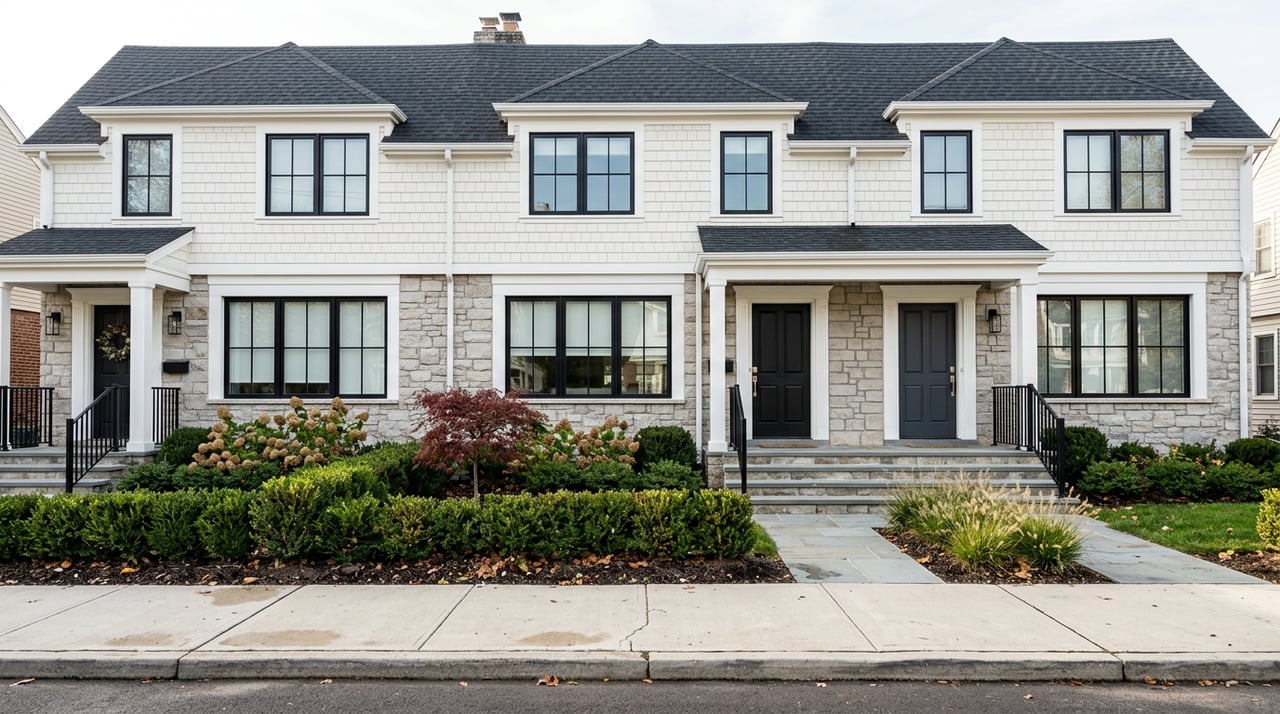
- Twins and townhouses: commonly around $350,000 to $650,000, with renovated three‑bedroom twins often landing in the $400,000 to $600,000 range. Many do not have HOAs, which lowers monthly dues but shifts all exterior and roof costs to you.
- Single‑family detached: commonly around $450,000 to the low seven figures, depending on size, lot, location, and updates. Larger, renovated homes in higher‑demand pockets can push higher.
Treat these ranges as typical, not guaranteed. Your final price will reflect location within Ardmore, condition, parking, and proximity to transit or Suburban Square.
Match your commute style to a home
Condos and condo townhomes
If your top priority is a short walk to the train and low maintenance, a condo can be a smart pick. Many sit within a few blocks of Ardmore station, which saves time daily and avoids station parking altogether. Weigh the HOA dues against what they include, such as exterior maintenance, building insurance, snow removal, and sometimes utilities. Review the HOA budget, reserve funding, and any planned special assessments so your monthly plan is accurate.
Twins and townhouses
Twins and townhouses often give you more space and, in some cases, a garage or private parking. They are a good middle ground if you want a short walk to shops or a manageable stroll to the station, but prefer more space than most condos. Expect fewer shared amenities and no monthly HOA dues in many cases, which means budgeting for roof, exterior, and yard work over time.
Single‑family homes
If you need the most space, single‑family homes deliver larger footprints and private driveways or garages. In return, you may be a bit farther from the station in some lower‑density pockets, which can add a short drive or a longer walk. Taxes can vary within Ardmore since the area spans two townships. Keep this in mind when comparing monthly budgets across different addresses.
Monthly budget basics for commuters
Your monthly number is more than principal and interest. Build a realistic picture using these line items:
- Property taxes: Vary by township and year. Ask for the last full year’s tax bill on any home you are considering.
- HOA dues: For condos and certain planned communities, dues often fall in the mid‑$200s to $400s per month in Ardmore. Confirm exactly what the HOA covers and whether a special assessment is planned.
- Insurance: Homeowners or condo policy depending on property type. Confirm how condo master policies work if you go that route.
- Utilities: Heat, electric, water, and any HOA‑included utilities. Ask for a 12‑month average when possible.
- Maintenance and reserves: Roof, exterior, mechanicals, and routine upkeep. Even with a condo, you may have some in‑unit responsibilities.
- Commuter costs: SEPTA fares and station parking. Ardmore sits on the Paoli/Thorndale Line, and fares, passes, and parking permit policies can change. Review current information here: Paoli/Thorndale Line info and fares
On parking, Ardmore’s station and surrounding municipal lots include a mix of permit and daily spaces. Availability and pricing shift by season and construction. Some riders have reported issues with choosing the correct lot in the payment app, so double‑check the lot ID and posted signs to avoid tickets. Local reporting explains the confusion and why careful selection matters: SEPTA parking app confusion overview
Where you live affects taxes and schools
Here is an important local detail that surprises many buyers. “Ardmore” spans two municipalities and two counties. Parts lie in Lower Merion Township in Montgomery County, and parts lie in Haverford Township in Delaware County. That split affects property taxes, school district assignment, and municipal services. Local reporting has covered the boundary confusion in depth: Why Ardmore boundaries can be confusing
What to do as a buyer:
- Confirm the municipality and county for any address you tour.
- Ask for the exact school district assignment from the listing and verify with the district.
- Request the last full year’s property tax bill to understand your real monthly number.
Use neutral criteria to compare options, such as taxes, commute, and housing features. If schools matter to you, review official district information directly.
Walk vs drive: set your priorities
A quick way to focus your search is to decide which of these three priorities fits you best:
- A. Shortest walk to the train. Target streets near Suburban Square, Lancaster Avenue, and Station Avenue. Check the morning inbound train you would take and the evening return times you need. Verify your walk time in winter conditions too. Typical local train time to Suburban Station is about 22 minutes, as noted on the Ardmore station page.
- B. Drive‑first convenience. Map your regular route, such as US‑30 or I‑476 to I‑76, and plan for a 25 to 45 minute rush‑hour window depending on traffic. Confirm that the property has a driveway or garage if you want to avoid on‑street parking. Use live traffic tools at your target commute time to compare options.
- C. Lower purchase price. Expand your radius to homes that require a short drive to the station or a longer walk. Factor daily parking and a buffer for train delays or traffic.
Sample commute‑forward scenarios
- Walk‑to‑train condo. You choose a condo three blocks from the station. You trade a smaller footprint for a 6 to 8 minute walk and skip station parking. HOA dues add to your monthly number but cover exterior work and some utilities.
- Twin or townhouse near Suburban Square. You get more space and possibly private parking. Your walk is 10 to 15 minutes, which adds time but keeps your transit plan simple.
- Single‑family with driveway, short drive to station. You prioritize space and parking. You plan a 5 to 10 minute drive to the station plus time to park and walk to the platform. Keep a backup driving route for days when the train does not fit your schedule.
Smart commuter‑buyer checklist
Use this quick list to compare properties apples to apples:
- Commute filter: Are you prioritizing the shortest walk, fastest drive, or lower price with longer travel? Decide first, then filter listings around that goal.
- Train timing: Check the exact AM and PM trains you would ride. Note total time including the walk or transfer. Review station info here: Ardmore station overview
- Driving test: Drive your route during rush hour. Compare US‑30 versus I‑476 to I‑76. Use a conservative time range.
- Parking reality: Confirm on‑site parking at the home. If you plan to park at the station, review permit rules and lot IDs carefully to avoid app mistakes: SEPTA parking app confusion overview
- HOA diligence: If buying a condo, request the HOA operating budget, reserve study, 12 months of meeting minutes, and current or planned special assessments. Verify what utilities and insurance the HOA covers.
- Twin/townhome details: Ask about roof and exterior responsibility, party‑wall maintenance, and any small community rules or fees.
- Taxes and schools: Request the last full year’s tax bill and verify school district assignment. Remember that Ardmore spans two townships: Boundary context and why it matters
- Station upgrades: Check for current construction notices and access changes at Ardmore: SEPTA’s Destination Ardmore project
- Fares and passes: Review SEPTA Key pass options and fare zones on the Paoli/Thorndale page to right‑size your monthly transit costs: Paoli/Thorndale Line info and fares
The bottom line
Ardmore gives you a rare mix of transit access, a lively walkable core, and a range of housing types that can meet different budgets. If you center your search on your true commute priorities, build a clear monthly budget that includes taxes, HOA dues, and commuter costs, and verify the township and school assignment for each address, you will make a confident choice.
Ready to pinpoint the right Ardmore home for your commute and budget? Talk with the Carney Team to compare listings, confirm taxes and HOA details, and map your commute before you bid.
FAQs
How long is the train ride from Ardmore to Center City?
- Typical local trains to Suburban Station take about 22 minutes, though exact times vary by the train; see the Ardmore station overview and current SEPTA timetables.
What is the current median home price in Ardmore?
- Redfin’s January 2026 snapshot shows a median sale price near $520,000, with homes often selling in roughly 30 to 40 days; treat this as directional since methods and boundaries vary by data service.
How much are Ardmore condo HOA dues?
- Many Ardmore condo communities show dues commonly in the mid‑$200s to $400s per month, but always confirm what is covered and whether any special assessments are planned.
Is parking available at Ardmore station for commuters?
- There is a mix of permit and daily spaces that can fill early; check current rules and lot IDs and be careful in the SEPTA payment app to avoid errors, as reported in local coverage of parking app confusion.
Does Ardmore fall under one school district and tax rate?
- No; Ardmore spans Lower Merion Township and Haverford Township, which affects school assignment and property taxes, so verify both for each property and review the boundary context before you decide.